
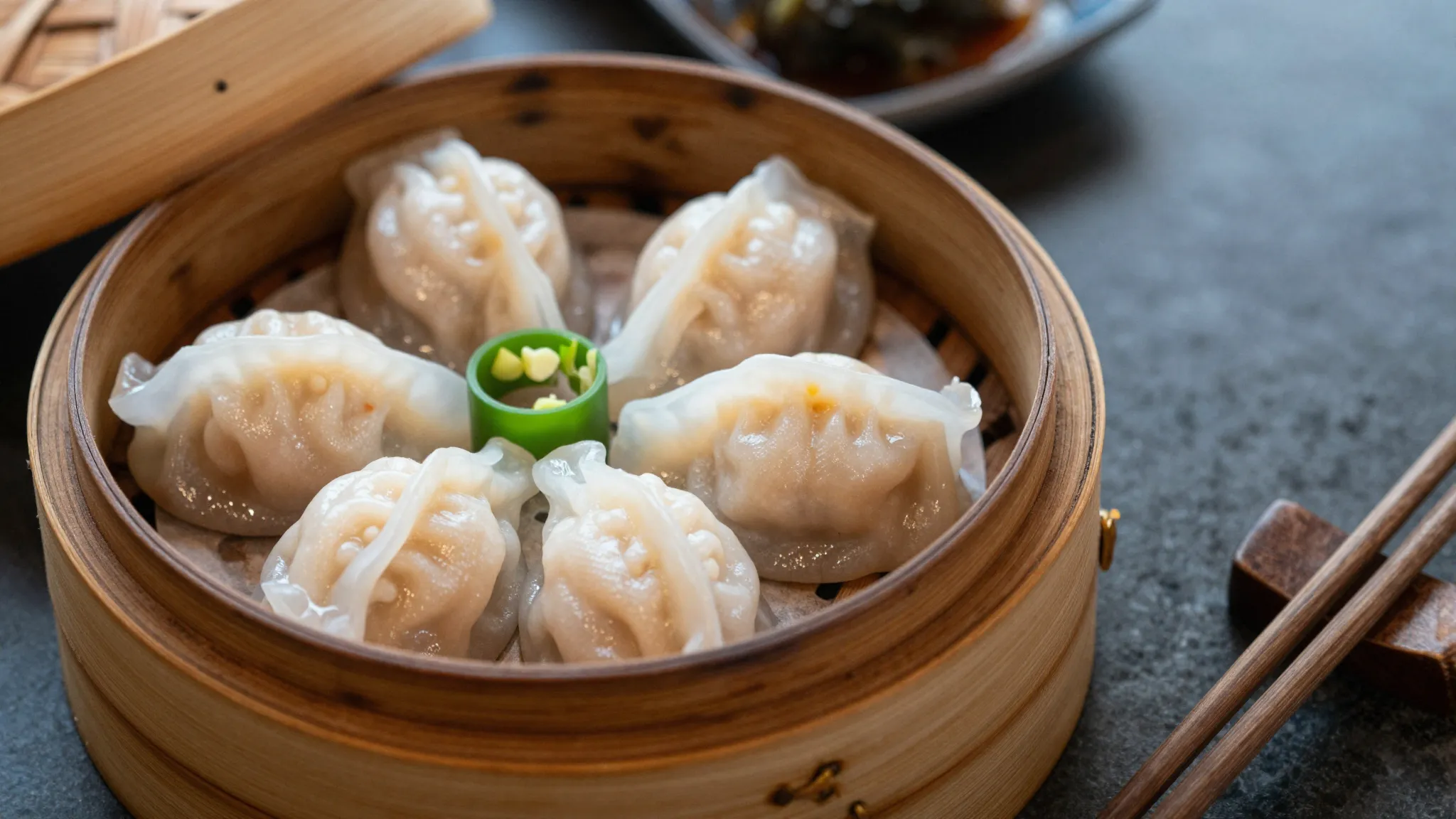

Dim Sum San Jose: Best Places and What to Order
Looking for dim sum San Jose? You’re in the right place. The South Bay loves morning tea, rolling carts, and fresh steam baskets. You can find classic halls with big round tables and also sleek spots with menu-only service. This guide shows you where to go and what to order so your meal is easy, fast, and fun.
Local favorites to check out by style
Rolling carts and big banquets
Want that lively buzz? Choose a large seafood hall with carts. It’s great for groups, kids, and first-time guests. Carts let you see the food before you pick. For current cart-service options and live wait times, scan this round-up of area favorites on Eater: Bay Area dim sum map (includes South Bay). You can also browse up-to-date picks and reviews near you here: Top-rated dim sum in San Jose on Yelp.
Menu-only, modern rooms
Some places skip carts. You order from a menu, and the kitchen steams each plate to order. Food often arrives hotter and crisper. This style fits small tables and date nights. For nearby listings and photos, check San Jose dim sum menus on Yelp.
Bakeries and grab-and-go
Short on time? Pick up baked char siu buns, egg tarts, and sesame balls. Many Chinese bakeries in and around the city stock fresh trays mornings and mid-day. Use the official dining hub to browse neighborhoods and plan your stop: Visit San Jose restaurants.
What to order first
New to dim sum San Jose? Start with these easy wins. They are popular, kid-friendly, and quick to spot on a cart or menu.
| Dish | Also known as | What it is | Pro tip |
|---|---|---|---|
| Har gow | Shrimp dumplings | Translucent shrimp dumplings in a thin, chewy wrapper | Look for clear skins that don’t stick and snap with a light chew. |
| Siu mai | Open-face pork dumplings | Pork and shrimp mix, topped with roe or carrot | Good siu mai is juicy, not dry, with a springy bite. |
| Char siu bao | BBQ pork buns | Soft steamed buns filled with sweet-salty pork | Choose buns that look fluffy and split clean down the top. |
| Cheung fun | Rice noodle rolls | Silky rice sheets wrapped around shrimp, beef, or youtiao | Ask for extra sweet soy. The best rolls are soft, not mushy. |
| Turnip cake | Lo bak go | Pan-fried radish cake with bits of sausage and shrimp | Golden edges mean a good sear and more flavor. |
| Chicken feet | Phoenix claws | Braised, then fried and stewed in a sweet-savory sauce | They should be tender and slip off the bone with ease. |
| Egg tarts | Dan tat | Flaky pastry with silky egg custard | Order a fresh tray if you see it come out hot. |
When to go for the best experience
- Peak hours: 10:30 a.m. to 12:30 p.m. on weekends. Expect a wait.
- Sweet spot: Arrive by 10 a.m. for hot carts and shorter lines.
- Late lunch: After 1:30 p.m., you may see fewer carts but faster seating.
- Weekdays: Quieter rooms and steadier service for menu-only spots.
How to order like a local
- Scan the room first. Choose a table near the main cart lane if you can.
- Start with shrimp. Har gow and cheung fun tell you a lot about quality.
- Mix textures. Pick one steamed, one fried, one baked, and one green (gai lan).
- Mind pacing. Order 2–3 plates at a time. Keep space for late-round picks.
- Ask for sauce. Chili oil, XO sauce, and hot mustard lift many dishes.
- Finish sweet. Egg tarts or mango pudding make a light, clean end.
Price guide for the South Bay
Prices shift by size and day. Here is a quick local range so you can plan.
| Item size | Typical price (USD) | Notes |
|---|---|---|
| Small plates | $4.50–$6.50 | Steamed dumplings and basic sides |
| Medium plates | $6.50–$8.50 | Cheung fun, turnip cake, greens |
| Large/special | $8.50–$12.50 | Clams, spare ribs, seasonal specials |
| Per person (light) | $18–$25 | 2–3 plates and tea |
| Per person (feast) | $28–$40 | 4–5 plates, dessert, tea |
Tips for big groups and families
- Reserve when you can. Large tables fill fast on weekends.
- Share family-style. Most plates serve 2–3 people.
- Bring cash or split wisely. Some places limit split checks at peak times.
- High chairs and boosters are common. Ask staff as you’re seated.
Dietary notes
- Gluten-free: Rice rolls, steamed spare ribs, and greens are safer picks. Ask about soy sauce and marinades.
- Vegetarian: Try veggie dumplings, taro puffs, egg tarts, and Chinese broccoli with oyster sauce (request light soy instead).
- Allergies: Many dumplings include shrimp, sesame, or peanuts. Ask before you order and confirm at the table.
Make your short list
Use these trusted resources to find the right room, see photos, and check wait times in and around the city:
- Best-rated dim sum in San Jose on Yelp
- Eater’s Bay Area dim sum guide (South Bay included)
- Visit San Jose dining directory
Fast ordering checklist
- Arrive by 10 a.m. on weekends.
- Order har gow, siu mai, and cheung fun first.
- Balance with one fried bite and one veggie plate.
- Ask for chili oil, XO, and extra sweet soy.
- Finish with egg tarts while they’re warm.
With this plan, your search for dim sum San Jose turns simple. Pick your style, arrive at the right time, and start with the hits. From there, let the carts or the menu lead you. You’ll eat well, learn fast, and leave happy.
Price Ranges and Value: From Budget Bites to Luxe Feasts
Dim sum San Jose: what prices look like today
You love small plates and hot tea. You want good value. In dim sum San Jose, you can find both. Prices range from quick budget bites to polished feasts. Your final bill depends on the style, the day, and what you order. Use this guide to plan a meal that fits your wallet and your mood.
How pricing works across the South Bay
Most spots in dim sum San Jose use size tiers. Small, medium, large, and so on. Each tier has a set price. Har gow and siu mai often sit in the mid tier. Baked buns and turnip cake may be small tier. Special plates like crab or live seafood cost more. Some places still push carts. Others use a paper checklist. Carts are fun, but you may grab more plates on impulse. A checklist helps you pace your spend.
Typical dish price ranges you may see
| Dish | Common Range (USD) | Notes |
|---|---|---|
| Har gow (shrimp dumpling) | $5.50–$9.50 | Price rises with size and shrimp quality |
| Siu mai (pork + shrimp) | $5.00–$9.00 | Often same tier as har gow |
| Char siu bao (BBQ pork bun) | $4.50–$7.50 | Baked buns cost a bit more than steamed |
| Cheung fun (rice noodle roll) | $6.50–$11.00 | Prawns and beef rolls cost more |
| Chicken feet, tripe, turnip cake | $4.50–$7.50 | Usually small or medium tier |
| Egg tart, mango pudding | $3.50–$6.50 | Sweet finish at a fair price |
| Tea charge (per person) | $1.50–$3.00 | Sometimes by pot, sometimes per head |
Note: Menus and prices change. Weekends and holidays can cost a little more. Service fees may apply for big parties.
What you can expect to spend
| Spending Level | Per Person | What You Get | Best For |
|---|---|---|---|
| Budget | $12–$20 | 3–4 plates shared, tea, no frills | Quick lunch, solo snack, students |
| Midrange | $22–$38 | 5–7 plates shared, a dessert, tea | Friends, families, casual weekends |
| Premium | $40–$65 | 7–10 plates, seafood picks, nicer room | Birthdays, out-of-town guests |
| Luxe | $70+ | Specialty seafood, chef plates, wine | Celebrations, client meals |
Smart ways to save without cutting joy
- Go early. Arrive at opening or before noon. Lines are short. Carts are full. You spend less time waiting and less on impulse buys.
- Share smarter. Two bites per person per plate is a sweet spot. Order in waves. Stop when you are 80% full.
- Mix tiers. Pair one premium plate with two budget plates. Your average cost drops, and you still taste a star item.
- Check weekday deals. Some South Bay rooms run lunch specials. Look for set menus or combo plates.
- Watch the tea charge. If you do not want tea, ask first. Some places will remove it if you order other drinks.
- Skip soda refills. Tea is often cheaper and fits the food better.
When a splurge feels worth it
For a special day, step up to live seafood, whole crab, or chef tasting plates. A nicer room can also lift the mood. You pay more, but service, pacing, and dish detail often rise too. If you enjoy dumplings with a wine pairing, ask about corkage. Compare that fee to the list price to see what makes sense.
Sample orders by budget
Under $20 per person (two people)
- 1 har gow, 1 siu mai, 1 turnip cake, 1 char siu bao, tea
- Share all plates. Add one dessert if still hungry.
$25–$35 per person (three people)
- 2 har gow, 1 siu mai, 1 beef cheung fun, 1 shrimp cheung fun, 1 baked pork bun, 1 Chinese broccoli, tea
- Plenty of variety with a veggie for balance.
$45–$60 per person (four people)
- 2 har gow, 2 siu mai, 1 scallop dumpling, 1 crab dish or live prawn, 1 XO turnip cake, 1 fried taro puff, 1 dessert flight, tea
- Add a bottle of sparkling wine if corkage is fair.
Timing and table strategy
- Weekends 11 a.m.–1 p.m. get packed. Expect a wait. Put your name down and take a short walk.
- Large groups should book ahead. Ask for a lazy Susan table to make sharing easy.
- If carts circle slow, use the paper menu. It keeps your meal on pace.
Local context you can use
South Bay rooms vary by vibe. Some are bright and modern. Some feel like a classic tea house. The North San Jose and Milpitas area leans big and lively. Santa Clara and Cupertino offer calm rooms with steady checklists. You can scan area dining guides to compare menus and prices before you go.
Explore city dining overviews on San Jose’s official site. For a broader map that includes the South Bay, browse editorial roundups on Eater’s Bay Area dim sum guide. If you lean more modern and dumpling-focused, you can review the Santa Clara location details for a popular Taiwanese spot at Din Tai Fung USA to compare style, wait times, and costs with classic dim sum.
Fee notes many diners miss
- Tea and sauce fees: Ask what is included. Some rooms charge for extra sauces or chili oil.
- Takeout boxes: A few places add a small fee for extra boxes. Plan orders to reduce waste.
- Service charge: Large parties may see 15%–20% added. Check your bill before tipping more.
- Card minimums: Rare, but ask if you plan to split checks.
Taste more while keeping the bill in check
In dim sum San Jose, value grows with smart choices. Come early, order in waves, share across tiers, and save room for one standout dish. This way you enjoy the best bites, skip the bloat, and stay on budget. Your next tea session will feel just right—and you will know exactly what your bill should be.
Traditional vs. Modern Menus: How San Jose Spots Differ
Your guide to dim sum san jose
Looking for dim sum san jose? You have great choices across the city. Some spots keep a classic style with carts and bamboo steamers. Others use sleek menus, QR codes, and fusion bites. Both can be tasty. The best pick comes down to how you like to order, your group, and your budget. This guide will help you choose fast and eat well.
What classic rooms do best
Classic halls feel lively and warm. You hear carts roll by and lids lift with a puff of steam. You point and choose. Tea gets poured, and the table fills up. If you want that old-school mood, this style shines. In many places, you will see har gow, siu mai, char siu bao, cheung fun, spare ribs, chicken feet, and egg tarts. The flow is fast, and you can try a little of everything. For many families hunting dim sum san jose, this is the weekend vibe they love.
How modern lists change the game
Modern menus bring order and calm. You sit, scan a QR code, and tap to pick dishes. Food comes hot from the kitchen. The room is quieter. You may also see creative plates. Think truffle siu mai, baked pork puffs with honey glaze, lobster dumplings, or vegan “shrimp” rolls. Sauce flights and craft teas pop up too. This style can help if you have food rules, like no shellfish or no gluten, because each dish is labeled. Many new fans of dim sum san jose start here since it feels simple and clear.
Quick compare: service, price, and pace
| Feature | Classic Cart Style | Modern Order Style |
|---|---|---|
| Ordering | Point at carts; instant choices | Paper or QR code; batch orders |
| Ambience | Busy, lively, big-room buzz | Calm, sleek, cafe-like |
| Menu Range | Core classics, seasonal carts | Classics plus fusion and specials |
| Dietary Labels | Rare; ask staff | Common; icons on menus |
| Speed | Fast to start; peaks at rush | Steady; kitchen-paced |
| Tea Service | Refills often and free-flow | Curated pots and premium leaves |
| Reservations | Limited; take a number | More common; join waitlist apps |
| Typical Spend (per person) | $18–$30 (share style) | $22–$40+ (add-on specials) |
How to choose for your group
Families and big tables
Pick classic rooms. Carts keep kids engaged. Plates land fast, and you can share a lot. Aim to arrive before 11 a.m. on weekends to skip the longest lines.
Date night or a calm catch-up
Pick modern rooms. You can pace the meal and talk. Try a tea flight or baked bites that hold heat longer.
Vegetarian, vegan, or gluten-free
Modern menus help with labels and swaps. Look for tofu skin rolls, mushroom dumplings, veggie buns, and rice noodle sheets without soy sauce if needed. Ask for tamari or chili oil.
First-time dim sum san jose visit
Either style works. If you love to browse, pick carts. If you want clear dish names and photos, pick QR code menus. Start with har gow, siu mai, char siu bao, turnip cake, and egg tarts. You will get a good base set.
Smart ordering tips that save time and money
- Scan the room first. If you see your must-haves on a cart, wave it down right away.
- Order in rounds. Two to three plates per person is a good first pass. Add more if you are still hungry.
- Balance steamed and baked. Steamed fills you up; baked adds crunch and variety.
- Mind spice and sauce. Ask for chili crisp, vinegar, and hot mustard on the side.
- Check the bill stamp. In classic halls, your card gets stamped by size or letter. Make sure each plate matches.
When to go in San Jose
Peak time is weekend late morning. Plan an early brunch or a late lunch window. Parking is easier before 10:30 a.m. Near downtown, garages help. In strip malls, spots turn over fast but lines can snake. For live wait times and queues, try the local discovery links below.
Useful local links
- Current waitlists and top-rated dim sum in San Jose on Yelp
- Visit San Jose: dining and neighborhood guides
- Michelin Guide map for San Jose restaurants
What dishes signal a classic room
Look for bamboo steamers stacked high, a roast meat station, and carts with metal warmers. The menu leans on staples: shrimp dumplings, pork siu mai, steamed BBQ pork buns, beef tripe, spare ribs with black beans, and mango pudding. Tea is the star. Jasmine and oolong are common. Staff may circle fast, so keep a small plate ready to sample. If dim sum san jose feels like a family ritual to you, this setup will hit the mark.
What dishes show a modern spin
Menus flag seasonal items and chef specials. You might see crab roe sheng jian bao, squid ink har gow, baked pineapple buns with custard, or vegan mushroom siu mai. Desserts go beyond egg tarts to include matcha puddings and sesame mochi. Drinks may include cold brew teas and fruit spritzers. If you like to explore, this route keeps every visit fresh.
Price and portion planning
| Plate Type | Typical Pieces | Usual Price Range | Notes |
|---|---|---|---|
| Steamed Dumplings | 3–4 | $5–$9 | Order 2–3 baskets per two people |
| Buns (Steamed/Baked) | 2–3 | $4–$8 | Good for kids; sweet or savory |
| Rice Noodle Rolls | 3–4 cuts | $6–$10 | Ask for light sauce if low-sodium |
| Chef Specials | Varies | $10–$18+ | Modern menus have more options |
| Desserts | 2–4 | $4–$8 | Egg tarts sell out near closing |
Neighborhood notes
- Downtown: Easy to pair with museums and events. Lines rise during festivals and game days. Check city events on Visit San Jose.
- North and Berryessa: Many large banquet-style rooms. Parking is easier. Great for bigger groups and dim sum san jose meetups.
- West side and nearby: Modern cafes and tea-focused spots are common. Expect QR codes and fusion plates.
Final picks made simple
- Want buzz, carts, and quick bites? Choose a classic hall.
- Want calm, labels, and creative dishes? Choose a modern room.
- Bringing kids or a big party? Go early and plan for 2–3 rounds.
- On a budget? Stick to steamed baskets and buns first, then add one special.
- New to dim sum san jose? Try five core dishes, then add one new item each visit.
Both paths lead to a happy table. Start with the style that fits your day. Then explore the other next time. That is how you build your own dim sum san jose routine, one steamer at a time.
Timing Your Visit: Peak Hours, Wait Times, and Reservations
Planning a feast of dim sum San Jose can be easy when you know the right time to go. The South Bay loves weekend brunch, and carts can draw crowds fast. With a little timing, you can get hot dumplings, quick seating, and a stress-free meal.
When crowds build during the day
Dim sum spots around San Jose follow a steady rhythm. If you aim for the quiet windows, you cut wait time a lot.
- Right at open: Lines move fast and food is the freshest. This is the best bet on busy weekends.
- Late morning rush: Expect the peak around 11:30 a.m. to 1:30 p.m., especially on Saturdays and Sundays.
- Late lunch lull: After 2 p.m., many rooms clear out. You often get seated right away, with fewer carts but still solid picks.
Weekdays are calmer. If you go Monday to Thursday, aim for 11 a.m. or after 1 p.m. Tech lunch breaks can make 12 to 12:45 p.m. busy near office parks.
How long you might wait
Wait times swing by the day, party size, and the style of service. Cart-service halls draw bigger groups. Small modern spots with a paper menu can turn tables faster. Use the guide below as a rough yardstick for San Jose and nearby South Bay areas. Your exact time will vary by restaurant and season.
| Time window | Crowd level | Est. wait (2 people) | Est. wait (6+ people) | Notes |
|---|---|---|---|---|
| Opening – 10:30 a.m. | Low to medium | 0–15 min | 10–30 min | Arrive 5–10 min before doors for a quick seat |
| 10:30 a.m. – 11:30 a.m. | Medium | 10–25 min | 20–45 min | Food variety is high; lines begin to build |
| 11:30 a.m. – 1:30 p.m. | High (weekends very high) | 20–60 min | 45–90+ min | Most popular time for dim sum San Jose |
| 1:30 p.m. – 2:30 p.m. | Medium | 10–30 min | 20–45 min | Better chance for large tables than at peak |
| After 2:30 p.m. | Low | 0–15 min | 10–25 min | Some items may sell out; service may switch to last call |
Smart ways to book or join a list
Many big Cantonese rooms hold spots for large groups. Some only seat small parties first-come, first-served. A quick call can save you a trip. You can also check platforms to see if a table is open:
- Search local options on the San Jose dining guide at Visit San Jose.
- Look for a table or add yourself to a list with OpenTable or Resy (SF Bay Area).
- Some places use the Yelp Waitlist for live queue updates.
If you see “waitlist only,” get your name in early, then park or stroll nearby until you get the ping.
Use live crowd tools
Before you head out, check live trends. On Google Maps, many listings show “Popular times” and “Live” status. That can help you dodge a rush by 20–40 minutes. Learn how it works here: Google Popular Times. You can also scan diner reports and photos on Yelp for dim sum San Jose to spot lines and peak days.
Weekends, holidays, and big events
Holiday brunch is huge in the South Bay. Lunar New Year, Mother’s Day, Father’s Day, and graduation season can double typical waits. Book weeks ahead if you plan a banquet or a table for eight or more. Check the city calendar to see what’s on: Visit San Jose Events. If a major festival is nearby, go early or plan a late lunch.
Party size tips
- Table for two: Walk in right at open or after 2 p.m. for the fastest seat.
- Four to six: Aim for before 11 a.m. or after 1:30 p.m. Call to ask about call-ahead seating.
- Eight or more: Reserve if possible. Ask about set menus and time limits.
- Kids and strollers: Mention it when you put your name down. It can affect table choice.
Parking and transit timing
Lots around busy plazas can fill by noon on weekends. Add 10–15 minutes for parking during peak times. If you want to skip the hunt, check bus and light rail options via VTA Routes. Transit can be faster than circling lots during the rush.
What to do if there’s a line
- Split and scout: One person holds your spot while another checks parking or the menu board.
- Pre-order to-go: If you’re short on time, ask for takeout on popular items like siu mai or har gow.
- Share a larger table: Some halls will seat two small parties together during crunch time if you agree.
- Be flexible: Sitting near the kitchen can speed service; a side room may open first.
Tools for choosing where to go
Menus, price points, and service styles vary across the region. Browse reliable, updated guides to compare options:
- Bay Area dim sum map with South Bay picks on Eater SF.
- Citywide restaurant directory on Visit San Jose.
Quick checklist to beat the rush
- Pick your window: right at open, or after 1:30–2 p.m.
- Check live busyness on Google Maps.
- Join a digital waitlist if offered.
- Call ahead for large groups; confirm any deposit or time limit.
- Build a backup choice nearby in case wait times spike.
- Add parking time on weekends and holidays.
Make the most of your meal
Once seated, flag carts early for must-haves. If a favorite dish is missing, ask your server to put in a fresh steam basket. You’ll often get it faster than waiting for a cart to circle back. With these simple steps, you’ll enjoy dim sum San Jose with less standing in line and more time at the table.
Dietary Notes: Vegetarian, Gluten-Free, and Kid-Friendly Options
Dim sum San Jose: how to enjoy it with ease
Craving dim sum San Jose? You have lots of choices across the South Bay, from classic carts to modern menus. You can still enjoy a lively meal if you eat meat-free, avoid wheat, or order for young diners. The key is to scan the menu, ask clear questions, and keep a short list of safe picks. This guide gives you simple steps, menu cues, and smart swaps so you can eat well and relax at the table.
Plant-forward choices that still feel classic
Many teahouses now list veggie items up front. When you sit down, ask if there is a separate menu mark for meat-free plates. If not, ask your server to point to items that use only vegetables, tofu, or mushrooms. You can build a full, bright meal without missing out.
- Look for: spinach or chive dumplings, veggie potstickers, steamed tofu-skin rolls, mushroom rice noodle rolls, garlic sautéed gai lan, stir-fried pea shoots, and plain congee with spring onion.
- Ask for: no dried shrimp, no XO, no lard, and vegetable stock only. These small changes keep hidden meats out of your plate.
- Sauce swap: request chili oil, black vinegar, or a simple soy-ginger dip. If you avoid eggs, confirm the noodles and buns are egg-free.
Some modern spots near San Jose, like the Santa Clara branch of Din Tai Fung, label many picks and list key allergens. You can review their menu and plan ahead at Din Tai Fung Santa Clara. While not a traditional cart house, it offers dumplings, greens, and rice dishes that fit a range of needs.
Working around wheat and soy with care
If you avoid wheat or have celiac disease, dim sum takes extra care. Many skins and batters use wheat starch or wheat flour. Soy sauce often contains wheat too. Cross-contact is common in shared steamers and fryers. That said, you can still enjoy a warm meal if you keep these guideposts in mind.
- Better bets: simple greens with garlic (no oyster sauce), plain white rice, steamed fish or tofu with ginger and scallion (check thickener), and basic congee with salt and pepper.
- Use caution: rice noodle rolls, shrimp dumplings, and steamed spare ribs can include wheat starch, soy sauce, or a wheat-based thickener. Always ask.
- Swap sauce: ask for tamari or a gluten-free soy alternative, or stick to black vinegar and chili oil you trust.
- Cross-contact: request clean utensils, a fresh steamer tray, and no shared fryer. If that is not possible, choose dishes steamed on a fresh plate or served raw-to-cook at the table.
For more dining-out tips when you avoid gluten, see the guidance from the Celiac Disease Foundation at Celiac Dining Out Tips.
Easy wins for young eaters
Dim sum in San Jose works great for families. The small plates let kids try a bit of this and that. Keep flavors mild and textures soft, and let them point to what looks fun.
- Kid-friendly picks: plain congee with egg, steamed broccoli or gai lan stems, baked or steamed buns (pork, chicken, or sweet custard), egg tarts, sesame balls, and mild fried rice (light on soy and spice).
- Tips at the table: ask for extra small plates, cut items into bite-sized pieces, and cool hot buns before a first bite.
- Allergy notes: confirm fillings inside buns and dumplings. Nuts, sesame, or shrimp can be hidden.
Smart ordering tips in local teahouses
- Say your needs first. A short line like, “I do not eat meat,” or “I need no wheat,” helps your server guide you fast.
- Point to the menu. If the room is loud, pointing helps avoid mix-ups.
- Start simple. Order greens, rice, and congee first. Then layer on dumplings you confirm are a match.
- Check sauces. Ask for sauces on the side and skip house blends if you are not sure what’s in them.
- Time your visit. Go early for fresher batches and more space to ask questions.
Not sure where to begin your dim sum San Jose search? The city’s official site lists places across neighborhoods and malls. Browse dining ideas at Visit San Jose. Large centers like Valley Fair also post current restaurant lineups, which can help you preview menus and plan a stop with friends who have mixed needs. See the dining directory at Westfield Valley Fair Dining.
Handy table: menu clues and key questions
| Goal | Good signs on the menu | What to ask the server | Easy add-ons |
|---|---|---|---|
| Meat-free | Veggie dumplings, tofu-skin rolls, sautéed greens | Any dried shrimp, lard, or meat stock used? | Chili oil, black vinegar, steamed rice |
| Avoiding wheat | Plain greens, steamed fish/tofu, white rice, simple congee | Any wheat starch/flour or soy sauce in skins, sauces, or marinades? Separate steamer? | Tamari or vinegar; serve sauces on the side |
| For kids | Soft buns, mild congee, egg tarts, sesame balls | Are fillings spicy? Any nuts, sesame, or shellfish? | Extra plates, cooled items, mild broth |
Sample order plan for a mixed group
Round 1: safe base
- Garlic sautéed gai lan (sauce on the side)
- Plain white rice or mild congee
Round 2: shareables
- Veggie dumplings (confirm no dried shrimp)
- Steamed tofu-skin rolls (veg stock only)
- Steamed fish or tofu with ginger-scallion (check thickener)
Round 3: treats
- Custard buns and egg tarts for kids
- Fresh fruit plate for a light finish
If you want a modern dumpling house with detailed labels near San Jose, review menus and allergen notes at Din Tai Fung Santa Clara before you go. For broader South Bay picks and stories on the scene, check regional roundups on trusted food media like Eater SF to spot new dim sum San Jose openings and chef updates.
Final sanity checks before you sit down
- Call ahead during off-hours and ask about your needs.
- Bring a card that lists your limits in clear terms. Keep it brief.
- Scan a few recent diner photos online to see how dishes look and what greens or rice plates are common.
- Have a backup plan nearby, like a rice bowl shop in the same center, in case the kitchen cannot meet your needs that day.
Dim sum San Jose should feel warm, social, and easy. With a short plan, a few clear questions, and smart swaps, you can enjoy the bustle and still eat the way you want. Save this guide, share it with your table, and have a joyful meal.
Key Takeaway:
Key takeaway: dim sum san jose offers choice, value, and flavor for every kind of eater. You can find classic halls with carts and big round tables. You can also find bright, modern spots with sleek menus and new twists. For your first plate, start simple. Order har gow (shrimp dumplings), siu mai, and steamed pork buns. Add rice noodle rolls, turnip cake, and spare ribs if you want a bigger spread. Ask for a house special to try what the kitchen does best.
Prices span from budget to luxe. You can snack well with a few baskets and tea for a fair price. Or you can plan a feast with crab, lobster, and premium dumplings. To get the best value, go at lunch, share plates, and watch add‑ons like tea and sauces. Small groups should order in rounds so you do not overbuy. Large groups can build a set of crowd favorites, then add one or two new items to taste. In short, dim sum san jose lets you eat smart at any spend.
Menus differ by style. Traditional places lean on classics like chicken feet, congee, and baked pork buns. Many use carts and quick table calls. Modern rooms use check‑mark sheets or QR codes. They add new ideas like truffle siu mai, baked snow buns, or plant‑based “shrimp.” Both styles can shine. Pick what fits your taste and mood.
Timing matters. Weekends fill up fast. Peak hours bring long waits. If you can, go early morning or after the lunch rush. Call ahead for big parties. Some spots take reservations. Some do call‑ahead lists. Street parking and lots can get tight, so plan a few extra minutes. You can also order takeout if you need a fast meal.
Diet needs are doable with care. Vegetarian diners can look for mushroom dumplings, veggie buns, tofu skin rolls, and greens with garlic. Gluten‑free eaters can choose rice noodle rolls, steamed dishes, and congee. Ask about soy sauce, oyster sauce, and thickened gravies, which can have wheat. Many places can swap a sauce on request. For kids, try mild buns, noodles, egg tarts, and mango pudding. Always share any allergy notes with your server. With a little planning, San Jose dim sum restaurants make room for everyone.
If you want one rule, here it is: know your must‑haves, pick your price, time your visit, and ask for what you need. Do that, and dim sum san jose will reward you with a warm pot of tea, fresh steam, and plates you will remember.
Conclusion
Now you’re ready to enjoy dim sum San Jose like a pro. You know where to go and what to order. Try staples like har gow, siu mai, BBQ pork buns, and rice rolls. Mix in a house special or two for a new twist.
You also know how to match your budget. Pick quick, low-cost bites for a casual day. Choose mid-range teahouses for steady value. Book a luxe hall when you want a feast. Share plates and watch for lunch deals to stretch your dollar.
You can spot the menu style fast. Love old-school carts, big tea pots, and classics? Many San Jose dim sum spots keep that charm. Want modern menus, craft tea, and creative bites? You’ll find that here too. Pick the vibe that fits your group.
Time your visit to skip the long line. Weekends get busy from late morning to early afternoon. Go early or late, or make a reservation when you can. Join the waitlist online if offered.
Food needs matter. Many dim sum San Jose kitchens can guide you to vegetarian or gluten-free picks. Ask staff about sauces, soy, or cross-contact. Many places welcome kids with simple bites and high chairs.
Your path is clear: choose a spot, set your budget, plan your time, and order with joy. Dim sum San Jose has a plate for every taste and every plan. Enjoy the meal—and save room for egg tarts.