
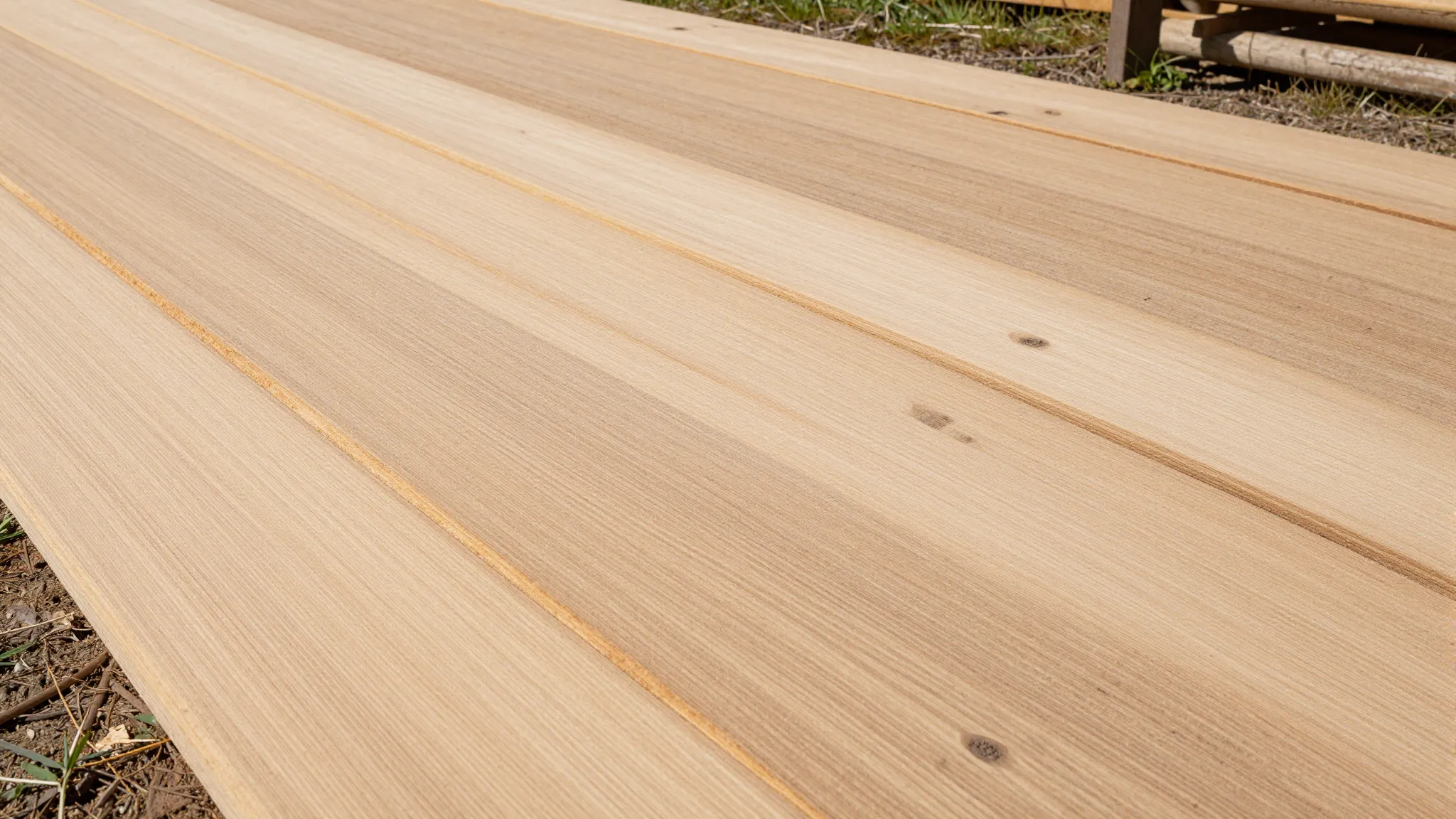

Duncan Lumber: Products, Services, and Community Value
Your guide to duncan lumber: products, services, and local impact
When you shop at duncan lumber, you get more than boards and nails. You get a helpful team, clear advice, and the right materials for the job. This guide walks you through core products, key services, and the real value this local yard brings to your community.
Core products you can count on
Framing lumber and panels
For walls, floors, and roofs, duncan lumber stocks common sizes and grades. You can ask for kiln-dried studs, premium dimensional lumber, and pressure-treated posts for outdoor use. For sheathing, you will find OSB and plywood. Need advice on span or grade? The team can help you match code and load needs. For deeper specs on panels and spans, see APA – The Engineered Wood Association.
Engineered wood
When you need strength with less weight, engineered wood can save time and cost. duncan lumber can supply LVL, I-joists, rim board, and glulam. These products help control deflection, reduce waste, and speed installs. You can review technical design info with APA at APA engineered wood resources.
Decking, railing, and exterior
Build outdoor spaces that last. Choose treated lumber for value or composite and PVC boards for low care. Many pros compare brands like Trex and TimberTech for color, traction, and warranty. You can also source siding, trim, fencing, and posts for a full exterior package.
Windows, doors, and millwork
From builder-grade to custom, duncan lumber can order windows, doors, and interior trim. Ask about energy ratings and lead times. To learn how certified windows can lower bills, check ENERGY STAR window guidance.
Fasteners, hardware, and tools
Get the right screws, hangers, and anchors to meet code. Deck jobs often need hot-dip galvanized or stainless parts. You can also pick up adhesives, sealants, and job-site tools for a smooth build.
| Product category | Typical options | Common uses |
|---|---|---|
| Framing lumber | Studs, 2×4–2×12, kiln-dried, treated | Walls, floors, roofs |
| Panels | OSB, plywood, T&G subfloor | Sheathing, subfloors, roofing |
| Engineered wood | LVL, I-joists, rim board, glulam | Long spans, straight lines, heavy loads |
| Exterior | Decking (wood, composite), railing, siding | Decks, porches, fences, cladding |
| Millwork | Doors, windows, casing, base | Openings, trim, energy upgrades |
| Hardware | Hangers, fasteners, anchors | Code connections, corrosion control |
Time-saving services for pros and DIY
Job takeoffs and material lists
Bring in your plans. duncan lumber can prepare a clear list with counts and cuts. This reduces waste and missed items. It also helps you price work with less risk.
Delivery and logistics
Save crew hours. Many yards offer same-week or next-day drop with boom or piggyback unload. You can request staged loads by phase: foundation, frame, and finish. Ask about delivery windows and site rules.
Custom cuts and shop work
Need rips, crosscuts, or special lengths? Shop services can shape stock to fit your plan. This can cut install time and improve fit and finish.
Special orders and sourcing
Can’t find a product on the shelf? The team can source brand lines, odd sizes, and custom items through their vendor network. This keeps your project on track.
| Service | What you get | Best for |
|---|---|---|
| Plan takeoff | Accurate counts and cut map | New builds, additions |
| Staged delivery | Loads synced to schedule | Fast crews, tight sites |
| Shop cuts | Ready-to-install pieces | Trim, fascia, custom work |
| Special order | Brands and sizes on request | Design-driven jobs |
Quality, safety, and standards
Strong builds start with verified grades and proper treatment. Learn about species and grading through the Western Wood Products Association and the Southern Forest Products Association. For treated wood specs and use, see the American Wood Protection Association. If you want wood from responsibly managed forests, ask about FSC-certified stock and check the Forest Stewardship Council.
How duncan lumber supports your build
- Clear advice: You get material guidance in plain words.
- Local stock: Common sizes and fast fill-ins reduce delays.
- Fair pricing: Bundled packages help control total cost.
- On-time drops: Less idle time means more progress.
- After-sale help: Fixes and swaps keep the job moving.
Community value that lasts
Duncan lumber is a local employer and a steady partner for schools, trade groups, and volunteer builds. Many yards host vendor days and hands-on demos for students and new pros. They also support code updates, safety talks, and green goals. When you buy local, more dollars stay in town and fund growth.
Smart steps to pick the right materials
- List your loads and spans. Match lumber grade and size to those needs.
- Check climate and exposure. Choose treated or composite for wet zones.
- Plan for energy use. Select efficient windows and sealed doors.
- Balance budget and life cycle. A higher upfront cost can mean lower upkeep.
- Confirm code and permits. Ask your yard and your inspector early.
- Ask about lead times. Order special items before you frame.
Pro tips for working with duncan lumber
- Open a pro account to track jobs, returns, and tax-exempt forms.
- Send plans in digital form for faster takeoffs and fewer edits.
- Book delivery windows and note site limits, like overhead lines.
- Bundle hardware and adhesives with each load to reduce trips.
- Use vendor days to compare deck boards, stains, and fasteners in person.
Quick answers to common questions
Do you deliver to job sites?
Most locations do. Ask about radius, fees, and unload options. Share gate codes or site maps to help the driver.
Can you source special items?
Yes. duncan lumber often works with vendor networks to find rare sizes, profiles, and brands. Lead times vary by season.
Do you offer credit accounts?
Many yards do for qualified buyers. This can improve cash flow on longer jobs.
Do you cut lumber to size?
Some locations offer cutting and light milling. Confirm limits on length, angle, and volume before you order.
Why this yard matters to you
Duncan lumber blends strong products, smart services, and real community care. You get a partner who knows your code, your climate, and your deadlines. Bring your plan, share your goals, and let the team help you build with confidence.
Selecting the Right Wood for Your Project
You want wood that looks good, lasts long, and fits your budget. At duncan lumber, you can find the right board for the job if you know what to check. This guide makes your choice simple. We keep it clear and fast. You will learn how to match wood to use, how to check grade and moisture, and how to avoid waste. Bring this with you the next time you shop at duncan lumber.
Start with where the wood will live
Think about use and setting first. This shapes every choice you make at duncan lumber.
- Indoor, dry rooms: choose stable wood that takes paint or finish well.
- Outdoor, rain or sun: pick decay‑resistant or treated wood.
- Heavy loads or framing: go for strong species and the right grade.
- Fine furniture or trim: choose hardwood with a smooth, even grain.
- Kids, pets, and spills: favor tough finishes and harder species.
Hardwood or softwood at duncan lumber
Hardwood comes from trees like oak and maple. It is dense and great for furniture, floors, and trim. Softwood comes from pine, fir, and spruce. It is lighter and perfect for framing, shelving, and many outdoor jobs.
- Hardwood pros: durable, beautiful grain, sands smooth.
- Hardwood cons: costs more, can be harder to cut.
- Softwood pros: budget‑friendly, easy to work, common sizes in stock.
- Softwood cons: dents easier, needs more finish care indoors.
Want to compare species by hardness and movement? See the Wood Database for clear charts and details: wood-database.com.
Engineered choices that save time
Plywood, OSB, and MDF are stable and flat. They shine for cabinets, subfloors, and built‑ins.
- Plywood: strong, holds screws well, takes veneer or paint.
- OSB: great for sheathing and subfloors, budget pick.
- MDF: very smooth for paint‑grade trim and doors; keep it dry.
For span and panel grade info, see APA – The Engineered Wood Association: apawood.org.
Moisture, grade, and treatment
Wood moves with moisture. Indoor wood should be dry and stable. Outdoor wood can be a bit higher in moisture but must resist decay.
- Moisture content: aim for 6–8% for indoor projects; 12–15% can be fine for outdoor builds.
- Acclimate: let boards rest in the room for 2–7 days before you cut and install.
- Grades: look for clear or select for fine work; #2 or better for framing; appearance grades for decks and fences.
- Treated lumber: use for ground contact and wet zones; follow fastener rules.
Learn about grade stamps and rules from Western Wood Products Association: wwpa.org/industrial-products/grades.
Size, milling, and stability tips
- Board feel: S4S (surfaced four sides) is smooth and ready. Rough‑sawn gives a rustic look.
- Grain cut: quartersawn moves less and shows straight grain; flatsawn costs less but can cup.
- Check for warp: sight down each board. Avoid twist, bow, or big crown.
- Buy extra: add 10–15% for waste, more for knotty or rustic grades.
Durability for wet and sunny spots
- Cedar and redwood: resist rot and insects; great for fences, siding, and planters.
- Pressure‑treated: best near soil or standing water. Match fasteners to the treatment type.
- Douglas‑fir or southern pine: strong for framing and beams; seal edges outdoors.
See decay and service life guidance from the Forest Products Laboratory: fpl.fs.usda.gov.
Sustainable picks you can feel good about
- Look for FSC or SFI labels for responsible sourcing.
- Use durable species so you replace less over time.
- Choose engineered panels that make better use of fiber.
Find certified options and what the labels mean at FSC US: us.fsc.org.
Quick picks by project
- Bookshelves: 3/4 in plywood with solid wood edge band; or select pine for a paint‑grade build.
- Outdoor deck: pressure‑treated framing with cedar or composite deck boards.
- Dining table: white oak, maple, or walnut; choose quartersawn for extra stability.
- Painted trim: MDF or poplar for a smooth paint finish.
- Workshop bench: laminated southern yellow pine or hard maple top.
- Garden beds: untreated cedar to avoid chemicals near soil.
- Interior framing: SPF or Douglas‑fir, #2 or better.
Common wood choices at duncan lumber
| Wood | Strength/Hardness | Weather Resistance | Best For | Notes |
|---|---|---|---|---|
| Pine (SPF) | Light to medium | Low | Framing, shelves, paint‑grade | Easy to cut; seal knots before paint |
| Douglas‑fir | High for weight | Medium | Framing, beams | Good span strength; pre‑drill near edges |
| Cedar | Light | High | Fences, siding, planters | Natural oils resist rot; use stainless fasteners |
| Pressure‑treated | Medium to high | Very high | Deck frames, posts, ground contact | Match fasteners to treatment; allow to dry before finish |
| Oak (white/red) | High | Medium (white higher) | Furniture, floors | White oak better outdoors; fills stain nicely |
| Maple (hard) | Very high | Low | Benches, tops, cabinets | Very hard; takes light stains best |
| Plywood | High for panel use | Medium | Cabinets, subfloors, built‑ins | Check veneer grade; keep edges sealed |
| MDF | Medium | Low | Painted trim, doors | Very smooth; avoid wet areas |
Smart shopping steps at the rack
- Define the job: indoor or outdoor, load or look.
- Pick type: hardwood, softwood, or engineered.
- Check grade stamp and straightness.
- Confirm moisture and let it acclimate.
- Plan finish: paint, stain, or clear coat.
- Buy a little extra for cuts and defects.
Questions to ask at duncan lumber
- Which grade is best for this build?
- What moisture level are these boards?
- Do you have kiln‑dried options for indoor use?
- What fasteners work with this treated lumber?
- Any culled or overstock boards for savings?
- What finish do you suggest for my climate?
Care that makes wood last
- Seal end grain first; that is where wood drinks water.
- Use primer under paint on softwoods.
- Re‑coat outdoor wood every 1–3 years as needed.
- Keep joints off the ground and allow water to drain.
With a clear plan, you can walk into duncan lumber and pick the right wood fast. Think about where it will live, choose the proper type, and check grade and moisture. Ask for help when you need it. Good boards lead to strong, beautiful builds that last.
Ordering, Delivery, and Jobsite Support
When you build, you need materials on time, in full, and placed where your crew can use them. duncan lumber makes that happen. You can order fast, track each load, and get on-site help that keeps work moving. This guide shows you how to get the most from Duncan Lumber ordering, delivery, and field support so you can hit your schedule with less waste and less stress.
Why contractors choose duncan lumber for smooth buying
You get clear pricing, simple ways to order, and real people who know jobsites. Our team checks stock, flags lead times, and sets the right truck for your site. That means fewer surprises and fewer delays. The goal is simple: you build, we handle the materials.
Ways to place your order
Pick what works best for you and your crew. Keep one job number on every request so we can stage and invoice by phase.
| Method | Best For | Cut-off Time (typical) | Notes |
|---|---|---|---|
| Pro desk call | Fast changes, special notes | Before 2:00 PM for next-day | Talk to a specialist; confirm stock live |
| Plans, takeoffs, paper trail | Before 12:00 PM for next-day | Attach plans; list delivery drop zones | |
| Text (where enabled) | Quick refills and reorders | Before 12:00 PM for next-day | Include job name, lot, and need-by date |
| In-store | Walk the aisles, see options | Same-day pickup on stock | Great for hardware and tool needs |
What to share when you order
- Job name, lot, and phase (slab, frame, trim, punch).
- Drop zone plan (street, side yard, or slab) and gate codes.
- Crew hours and any HOA or city limits on truck size.
- Grade and spans for lumber and EWP so loads match spec.
- Any lift needs: boom reach or forklift access.
Fast, steady delivery that fits your site
Duncan lumber sets routes that fit your schedule. We stage by phase so your site stays clean. If weather hits, we call fast and reset the window. You get proof of delivery with photos when you need them.
Service options
| Option | Service Window | Equipment | Ideal For |
|---|---|---|---|
| Standard route | Next-day on stocked items | Flatbed with forklift | Framing packs, sheet goods |
| Timed drop | 2–4 hour window | Flatbed or box, based on load | Crews that need a tight slot |
| Boom set | By appointment | Boom truck | Second-story or roof drops |
| Will call | Same-day pickup | Yard loading | Small fills and rush parts |
Unload and safety
Clear the drop zone before the truck arrives. Keep people clear of forks and boom lines. Use gloves, eye wear, and chocks on slopes. For best practices, see the OSHA guidance on safe unloading at OSHA Safe + Sound.
On-site help that keeps crews moving
With duncan lumber, you can get field checks, fast fills, and layout help. Our team works with your foreman so each phase stays on track.
Jobsite support services
| Support | What You Get | When to Use |
|---|---|---|
| Material staging | Loads split by level or phase | Reduce carry time and damage |
| Framing pack review | Count check against plan | Catch misses before you start |
| EWP support | Layout, hangers, and fixes | Keep joists and LVL work clean |
| Truss help | Placement sequence and bracing tips | Faster, safer set day |
| Punch lists | Small fills same or next day | Close out jobs without delay |
For safe truss handling and bracing guides, visit the Structural Building Components Association at SBCA resource center. For engineered wood specs and install sheets, see APA – The Engineered Wood Association.
Smart planning to avoid delays
- Send plans early for a takeoff. We flag long-lead items.
- Approve shop drawings fast for trusses and EWP.
- Bundle phases. Fewer drops mean fewer stops on site.
- Set backup items for hard-to-get SKUs.
- Keep a small on-site buffer for nails, screws, and tape.
Special orders and backorders
Duncan lumber tracks lead times and alternatives. If a part slips, we suggest a swap that meets code. Want to check standards? Review the International Code Council resources at ICC-ES evaluation reports. For green builds, we can source certified stock; see FSC chain-of-custody for details on responsible wood.
Returns, credits, and quality checks
Keep bundles tight and dry. Call the pro desk with your ticket number for a pickup. We inspect, then credit to your job. If boards are out of spec, snap a photo and send it in. We fix it fast so your crew can keep working.
Tools that make life easier
- Order numbers that track by phase and cost code.
- Photo proof of delivery on request.
- Text alerts when the truck is on the way.
- Simple statements by job and change order.
Want tips on schedule flow? The team at NAHB shares planning guides that many builders use to map their drops and crew shifts.
Right truck for the job
The right gear makes a big difference. Tell us about tight streets, soft ground, or steep drives. We will match the truck and the lift to your site.
| Equipment | Reach/Access | Best Use | Notes |
|---|---|---|---|
| Moffett forklift | Great in tight spaces | Framing packs, sheet goods | Needs firm ground for safe travel |
| Boom truck | High and long reach | Upper floors, roof decks | Keep clear of lines and trees |
| Box truck | Dry, enclosed | Doors, windows, finish | Protects from rain and dust |
How to get the best price-to-plan fit
- Share your target start date and pace. We plan routes to match.
- Approve alternates that meet spec when price or stock is tight.
- Lock in truss and EWP early to avoid rush fees.
- Ask for value packs on nails, screws, and adhesives.
What makes duncan lumber different
You get a partner who cares about the whole build, not just the ticket. Our team checks counts, watches weather, and fixes misses fast. We keep lines open with your GC, framer, and trim crew. That is how jobs finish on time. That is why pros trust Duncan Lumber day after day.
Ready to plan your next phase with duncan lumber? Bring your plans, share your dates, and tell us how you like to stage. We will set up a plan that fits your crew and your budget. Your build will run smoother from the first drop to the final punch.
Pricing, Quotes, and Ways to Save
Duncan lumber can help you plan your budget, get a clear quote, and cut costs without cutting quality. You want straight answers and simple steps. You will find both here. Use this guide to price your list, request a firm number, and spot easy ways to save on your next order.
What shapes the price at duncan lumber
- Wood type and grade: SPF, Southern Yellow Pine, cedar, and treated wood all price out differently.
- Size and length: Common sizes cost less. Odd cuts, long lengths, and special orders cost more.
- Panel choice: OSB, plywood, and specialty panels swing with supply and demand.
- Moisture and treatment: Kiln-dried, pressure-treated, and fire-rated options add to the bill.
- Market trends: Mill costs and freight change weekly. Track the lumber market index to see moves.
- Delivery: Distance, load size, and offload needs affect the final number.
Because markets shift, your quote from duncan lumber will reflect live costs the day it is built. Locking a delivery date can help keep it firm.
How to get a fast, firm quote
Clear info speeds up your quote and lowers guesswork. Share these points with the desk at duncan lumber.
| What to share | Why it matters |
|---|---|
| Project type (deck, shed, frame, roof) | Guides the best mix and grade |
| Species and grade (SPF #2, SYP, cedar) | Sets core pricing and look |
| Sizes and lengths (2x4x8, 2x8x16, 4x4x10) | Prevents costly waste cuts |
| Counts with 10% waste factor | Avoids extra trips |
| Moisture/treatment needs | Ensures fit for code and site |
| Delivery or pickup and date | Locks schedule and fees |
| Budget target | Opens value options |
Quote checklist you can copy
- List each item as: Qty x Size x Length x Species/Grade
- Note panel type, thickness, and rating (e.g., 7/16 OSB, 23/32 T&G plywood)
- Add fasteners, ties, anchors, and adhesives
- Mark items that can sub (good-better-best)
- State delivery address, offload needs, and time window
Ask duncan lumber to split the quote by stage (framing, sheathing, finish). This helps you phase costs and hold pricing for each drop.
Ways to save without regret
Choose smart lengths
Pick lengths that match your span so you trim less. Fewer cuts mean less waste and less time on site. Use span tools from APA – The Engineered Wood Association to right-size joists and beams.
Buy in tiers
Many items drop in price at bundle counts. Ask duncan lumber for current breaks. Here is an example to show how tiers can work. Your real price may differ.
| Quantity tier (2x4x8) | Example unit price | Approx. savings vs. single |
|---|---|---|
| 1–99 pieces | $3.85 | — |
| 100–399 pieces | $3.69 | 4%–5% |
| Full unit (400+) | $3.55 | 7%–8% |
Ask for a mixed-unit discount if you can take near-unit volumes across similar sizes.
Time your buy
Prices often rise in spring and dip in late summer or late fall. Track trends at NAHB’s lumber price updates and plan large drops around softer weeks when you can.
| Season | Typical trend | Tip |
|---|---|---|
| Late winter | Quieter demand | Lock framing packages |
| Spring | Active market | Order early; hold delivery slots |
| Mid–late summer | Mixed to easing | Price match larger lists |
| Late fall | Often softer | Stock up on staples |
Value engineer your list
- Swap premium boards for appearance-grade only where seen.
- Use engineered wood where it cuts labor or spans longer.
- Pick standard lengths and join where code allows.
- Bundle fasteners and connectors to unlock a package price.
Mind delivery and waste
- Combine drops to cut truck fees.
- Stage loads by build phase to avoid damage and shrink.
- Return extras fast; learn the return window and restock rules.
Ask about programs
- Pro accounts: Contractor pricing, early pickups, and jobsite delivery windows.
- Loyalty: Points, seasonal coupons, and vendor promos.
- Certified wood: If your job needs it, compare FSC-certified options early to avoid rush costs.
- Finance: Terms can smooth cash flow and hold pricing during a project.
Simple script to request a quote
Try this when you call or email duncan lumber:
“Hi, I’m building a 12×16 deck in pressure-treated SYP. I need 2×8 joists at 12-foot, 2×6 decking at 12-foot, and 6×6 posts at 10-foot. I can take standard lengths if it saves. I’ll need 23/32 T&G plywood for stairs and all joist hangers, screws, and bolts. Please price pickup this Friday, and a split option with decking next week. My budget is $1,800. Can you show any bundle breaks or swaps to hit that?”
Price checks the right way
It is fine to compare. Keep the list the same with each yard. Give duncan lumber a fair shot to match on key lines or to beat the total with a packaged deal. Many times a better grade, tighter lengths, or faster delivery is worth more than a small unit price cut.
Red flags that raise costs
- Vague counts and no waste factor
- Odd lengths that force many cuts
- Late changes after the truck loads
- Missed code notes that force rebuys
- Multiple tiny deliveries
Quick FAQ
How long is a quote good?
Most quotes hold a short time due to market swings. Ask your duncan lumber rep to note the hold date on the document.
Can I lock a price?
Often yes, with a deposit and a set delivery window. This works best for large packages.
Can you help me cut waste?
Yes. Share your framing plan and span needs. duncan lumber can suggest lengths and grades that save time and money.
Helpful resources
- Fastmarkets Random Lengths – Lumber market index
- APA – The Engineered Wood Association span tables and design guides
- NAHB Eye on Housing – Lumber price trends
- Forest Stewardship Council – Certified wood information
With a clear list, a firm quote, and a few smart moves, you can stretch your budget at duncan lumber and keep your build on track. Ask questions. Plan your drops. And use the market to your advantage.
Wood Care, Storage, and Safety Tips
Smart care tips from duncan lumber
Good wood care starts on day one. When you buy boards from duncan lumber, you want them to stay straight, clean, and safe to use. You can do that with simple steps. Control moisture. Store boards the right way. Use safe gear. Pick the right fasteners and finish. These basics help your deck, fence, trim, or furniture last.
Every species moves in heat and cold. Some move a lot. Some only a little. Know your wood. A quick check on species traits helps you plan your cut list and your finish. For detailed traits on hardwoods and softwoods, see the Wood Database at wood-database.com. Bring your notes to duncan lumber and match them with the right boards, plywood, or engineered wood.
Moisture control and acclimation
Moisture is the number one cause of warp, cup, and split. Kiln-dried lumber from duncan lumber is ready for most builds. Still, give boards time to settle to your space. Use a moisture meter before glue or finish. Aim for stable indoor levels. Keep outdoor builds off wet ground and allow airflow.
Simple targets for common spaces
| Space / Climate | Typical RH Range | Target Moisture Content | Suggested Acclimation |
|---|---|---|---|
| Heated indoor (winter) | 25%–40% | 6%–8% | 3–7 days |
| Indoor (mild seasons) | 35%–55% | 7%–9% | 2–5 days |
| Coastal indoor | 45%–60% | 9%–11% | 4–10 days |
| Covered exterior | Varies | 10%–14% | As site needs |
Set boards in the room or on the site where they will live. Keep them off concrete. Use spacers between layers. Check moisture again before install. For building science and engineered wood guidance, visit APA – The Engineered Wood Association at apawood.org.
Storage that prevents warp
How you stack wood matters. Smart storage keeps your lumber flat and clean. Use these steps the moment your order from duncan lumber arrives.
- Pick a dry, shaded spot with airflow.
- Raise lumber on level dunnage or racks. Keep it at least 4 inches off the floor.
- Use straight stickers (spacers) 16–24 inches apart. Stack them in line from bottom to top.
- Keep stacks flat. Place weights or banding on top for unruly boards.
- Cover the top with a breathable sheet. Leave the sides open.
- Store treated lumber and hardwoods apart. Avoid chemical cross‑contact.
- Keep plywood and MDF flat with full support. Stand sheets only if you can brace them.
Safe handling and shop safety
Good safety lets you work with calm focus. Wear the right gear. Set safe shop rules. Check your tools each day. For detailed safety help, see OSHA’s woodworking guidance at osha.gov/etools/woodworking.
Gear you should use
- Eye protection with side shields.
- Hearing protection that fits well.
- Cut‑resistant gloves when handling rough stock or sheet goods.
- N95 or better dust mask, or a fit‑tested respirator for heavy dust.
- Steel‑toe boots in the yard and on site.
Control dust at the source. Use a shop vac, a dust hood, or a full dust collector. Empty bags before they pack tight. Wood dust can harm your lungs. Learn more from NIOSH at cdc.gov/niosh/topics/wood-dust.
Cleaning, sealing, and finish basics
Clean wood before finish. Wipe sanding dust with a tack cloth or a damp rag. Let it dry. Seal end grain first. Ends drink more finish and move more.
Match finish to the job
- Indoor furniture: oil‑based varnish or hardwax oil for rich tone; water‑based poly for clear color.
- Trim and doors: primer plus enamel or durable acrylic.
- Decks and fences: stain or penetrating oil with UV blockers for easy upkeep.
- Bathrooms and kitchens: moisture‑resistant coatings and good caulk at joints.
Follow dry times on the can. Lightly sand between coats. Keep temps and humidity in range. Ask duncan lumber to help you pair a finish with your species and your use case.
Fasteners and hardware that match the wood
The right fastener stops rust and stains. It also keeps joints tight as wood moves. Use stainless steel or hot‑dipped galvanized fasteners outdoors. For pressure‑treated lumber, use hardware rated for the treatment. Wrong coatings can corrode fast. Pre‑drill for hardwoods to avoid splits. Leave small gaps where wood needs to move, like deck boards or wide panel installs. For span and connection best practices, the APA library at apawood.org offers solid guides.
Fire, dust, and air safety
Keep rags with oil finish in a metal can with water. Air can cause them to heat and burn. Never let dust pile near motors or heaters. Use spark‑proof bins if you weld near wood. Check cords for wear. Unplug tools before blade or bit changes. A clean shop is a safe shop. For broader fire and dust standards, review resources from NFPA at nfpa.org.
Sourcing and sustainability
Ask about certified stock when you shop at duncan lumber. Look for FSC labels to support healthy forests. Learn more about certification at the Forest Stewardship Council site: fsc.org. Use the right grade for the job to cut waste. Plan your cuts to reduce offcuts. Reuse short pieces for blocking, jigs, or test cuts.
Project planning with duncan lumber
Bring your plans, room size, or deck layout to the counter. The team at duncan lumber can help you choose species, thickness, and grade. They can suggest kiln‑dried, pressure‑treated, or engineered options. They can size screws and nails. They can point you to the right sealer or stain. This saves time and protects your budget.
Quick checklist before you buy
- Measure the space and note humidity.
- Pick species based on movement and hardness.
- Decide on finish before final sanding.
- Plan storage with racks, stickers, and a cover.
- List safety gear and dust control setup.
Ask duncan lumber anytime
You put care into every project. With a few smart habits, your lumber will reward you. Keep it dry. Stack it right. Wear safe gear. Match finish and fasteners to the job. And when you have a question, ask the staff at duncan lumber. They work with these materials every day and are ready to help you build with confidence.
Key Takeaway:
Key takeaway: Duncan Lumber helps you build with less stress and better results. You get quality wood, clear advice, fair pricing, and support from order to install. If you want a partner, not just a supplier, Duncan Lumber is a smart pick.
Here is what matters most. Duncan Lumber offers a wide range of products, like framing lumber, plywood, decking, fencing, and trim. You can also find engineered wood, treated boards, doors, windows, fasteners, and tools. This saves you time. You can plan one list and source it in one place. Duncan Lumber also adds value to the community by serving local builders, DIYers, and schools. When you buy local, your dollars stay local.
Pick the right wood for the job. Use pressure-treated wood for ground contact. Choose cedar for outdoor looks and rot resistance. Select fir or SPF for framing strength. For long spans or straight lines, try LVL or other engineered wood. Check grade stamps and moisture content. Ask Duncan Lumber to match wood to your climate and code needs. This helps you avoid waste and rework.
Ordering is simple. Call, click, or visit. Bring a cut list or plan. Ask for a takeoff if you need one. Confirm stock and lead times. Schedule delivery that fits your crew. Duncan Lumber can stage drops by phase, so your site stays neat. Need help at the jobsite? Ask for tips on handling, fasteners, and install methods. Good support saves hours.
Keep pricing clear. Request an itemized quote. Compare species, grades, and lengths, not just totals. Plan ahead to avoid rush fees. Buy full units when it makes sense. Watch market moves and lock quotes when prices fit your budget. Ask about pro accounts, volume breaks, and seasonal deals. Duncan Lumber wants you to save and stay on schedule.
Care and safety matter. Store lumber flat and off the ground. Cover the top, but let the sides breathe. Acclimate wood before install. Seal cut ends outdoors. Wear eye, ear, and dust protection when you cut. Lift with care and tie down loads. Follow all labels for treated wood. With these steps, your project looks better and lasts longer. Duncan Lumber is ready to help you do it right the first time.
Conclusion
You want a partner, not just a yard. Duncan Lumber brings the stock, the advice, and a team that cares for the community. You get framing, decking, plywood, and special wood. You also get helpful services that save time.
Use what you learned to choose the right wood. Match species, grade, and treatment to the job. Ask the counter to check your pick. Touch boards in person. Take a sample if you need one.
Ordering is simple. Send your list, ask for a clear quote, set delivery, and plan a safe drop zone. Use jobsite support when plans change. To save, compare options, buy full units when it makes sense, watch sales, and ask about pro pricing.
Care for your wood. Store it flat and dry, off the ground, with air space. Cover the top, not the sides. Seal cut ends. Wear gloves, eye gear, and a dust mask when you cut. Keep the site clean and well lit.
Ready to build? Visit Duncan Lumber or call the yard. Bring your plan. Get a fast quote and a delivery time that fits your day. With duncan lumber as your partner, you build better, spend smarter, and finish on time.