

Hepatoburn: Definition, Causes, and Core Symptoms
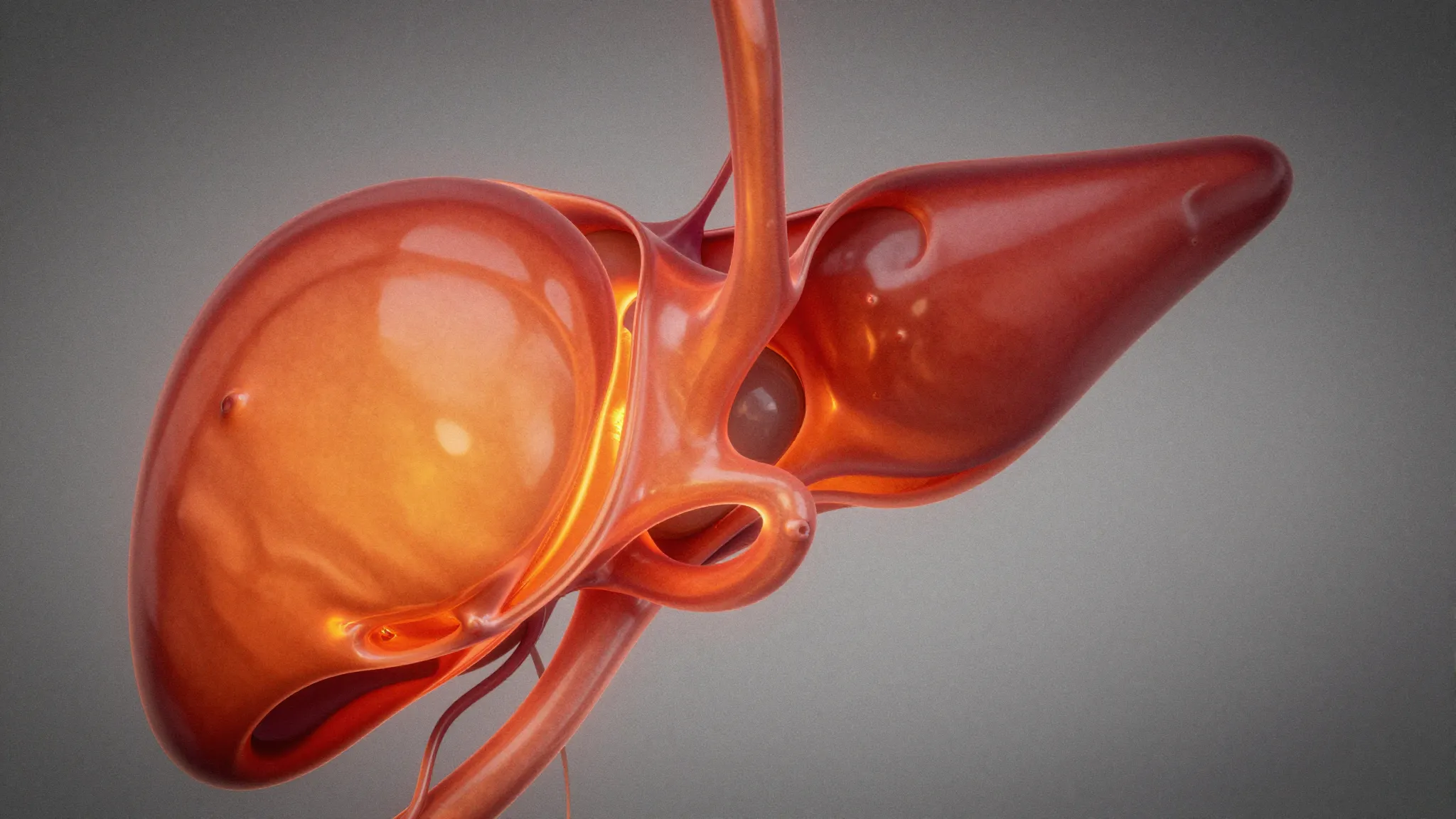
Hepatoburn is a term many people use for a hot, burning, or sore feeling under the right ribs. This spot sits over your liver and near the gallbladder and bile ducts. The word is not an official diagnosis. But the feeling can point to real health issues. Some are simple and pass fast. Others need quick care. If your pain is new, sharp, or lasts more than a day, contact a doctor.
What it means
Think of hepatoburn as a clue. It tells you that something in or around the liver area may be upset. It might come from the liver, the gallbladder, the bile ducts, the stomach, or the pancreas. Food, meds, stress, or infection can play a role. The pattern of your pain helps your doctor know the cause.
How it feels
- A burning or warm ache under the right ribs
- Pain that grows after a heavy or fatty meal
- Queasy stomach, bloating, or gas
- A bitter or metal taste in the mouth
- Dark urine or pale, clay-colored stool
- Itchy skin or yellow eyes or skin (jaundice)
- Tiredness, low appetite, or mild fever
Not all signs show up at once. Keep notes on when the pain starts, what you ate, and what helps or makes it worse.
Why it happens
Many things can cause hepatoburn. Some are common and short-term. Some need tests and treatment.
Common causes
- Stomach acid or reflux: Acid can burn the upper belly and chest. The pain can seem like it sits by the liver. Learn more about reflux from the NIDDK here: acid reflux and GERD.
- Gallbladder irritation or stones: Thick bile or stones can trigger sharp, burning pain after fatty foods. See trusted info on gallstones from NIDDK: gallstones overview.
- Fat buildup in the liver (MASLD): This used to be called NAFLD. It often links to weight gain, diabetes, or high lipids. Read updates from AASLD: metabolic dysfunction–associated steatotic liver disease.
- Liver inflammation (hepatitis): Viral, autoimmune, or toxin-related swelling can cause pain and fatigue. The CDC has clear guidance on viral hepatitis.
- Drug or herb injury: Too much acetaminophen (paracetamol) or some supplements (like high-dose green tea extract) can harm the liver. For deep detail, see NIH’s LiverTox on drug-induced liver injury.
Less common but serious causes
- Bile duct block or infection (cholangitis): Often with fever and jaundice
- Pancreatitis: Upper belly pain that bores to the back
- Liver abscess or cyst: Localized pain with fever or chills
- Tumors or masses: Dull, pressure-like pain; weight loss
Core symptoms at a glance
| Symptom | What it may suggest | When to seek care |
|---|---|---|
| Burning under right ribs after greasy meals | Gallbladder or bile flow issues | Call your doctor if it repeats or worsens |
| Sharp pain with nausea and vomiting | Gallstones, pancreatitis, or ulcer | Urgent care, especially if severe |
| Yellow skin/eyes, dark urine, pale stool | Liver or bile duct problem | Same-day medical care |
| Fever and chills with right upper pain | Infection in bile ducts or liver | Emergency care |
| Severe, steady pain to the back | Pancreatitis or gallbladder attack | Emergency care |
| Itchy skin with fatigue | Poor bile flow or liver inflammation | Medical visit this week |
When to get help
- Go to urgent or emergency care if you have chest pain, trouble breathing, fainting, high fever, or yellowing of the eyes or skin.
- Call your doctor soon if the pain lasts more than a day, keeps coming back, or wakes you from sleep.
- If you are pregnant, have liver disease, or take blood thinners, do not wait on severe pain.
How doctors check
- History and exam: Where is the pain? What triggers it? Any fever or yellowing?
- Blood tests: Liver enzymes (ALT, AST), bile markers (ALP, GGT), and bilirubin. See an overview of liver disease basics.
- Ultrasound: First-line test for liver, gallbladder, and bile ducts
- Advanced imaging: MRCP for ducts or ERCP if a procedure is needed. Learn about MRCP and ERCP.
- Endoscopy: Checks for ulcers or reflux if stomach causes are likely
- Fibrosis checks: Noninvasive scans can assess liver stiffness
What you can do now
- Limit alcohol. If pain is active, avoid it.
- Use acetaminophen with care. Follow the label. Do not mix with heavy drinking.
- Avoid unknown or high-dose supplements. Check the NIH resource on drug and herb liver risks.
- Choose small, low-fat meals. Skip very greasy foods to reduce bile stress.
- Drink water. It can ease mild nausea and help bile flow.
- Track triggers in a simple log: time, food, stress, meds, and pain score.
- Move more and manage weight. This supports liver health in MASLD. See AASLD info on MASLD.
- Ask about shots for hepatitis A and B. See CDC vaccine details for hepatitis A and hepatitis B.
Short answers to common questions
Is this the same as heartburn?
No. Heartburn is a burning in the chest from acid. Hepatoburn is felt under the right ribs. That said, reflux can still cause upper belly burn. A doctor can tell them apart.
Can stress or anxiety cause it?
Stress can raise muscle tension and stomach acid. That can worsen pain. But stress is not the only cause. Do not ignore red flags like fever, jaundice, or vomiting.
Can you treat it at home?
For mild, short pain, rest, water, and light meals may help. Avoid alcohol and very fatty foods. Use only over-the-counter meds as directed. If pain is strong, repeats, or comes with fever, jaundice, or vomiting, seek care.
Helpful resources
- NIDDK on liver and digestive health: liver disease information
- CDC on hepatitis testing and care: viral hepatitis
- MedlinePlus on gallstones: gallstones
- AASLD clinical topic page: MASLD
Hepatoburn is a sign, not a label you should carry alone. Watch your body, note your triggers, and get the right test if needed. Quick action can prevent bigger problems and help you feel better fast.
How Hepatoburn Is Diagnosed: Tests, Markers, and Imaging
Understanding hepatoburn in plain terms
Hepatoburn describes stress or injury to the liver. It can show up in blood work, on scans, or by how you feel. You might notice pain under the right ribs, fatigue, nausea, dark urine, or yellow skin. Doctors do not guess. They confirm with tests. The steps below explain how pros check for hepatoburn and what each test means for you.
If you have severe pain, confusion, heavy bleeding, or yellowing that starts fast, seek urgent care now.
What prompts a workup for hepatoburn
- Right upper belly pain or swelling
- Yellow skin or eyes (jaundice)
- Dark urine or pale stool
- Itchy skin with tiredness
- High liver enzymes found on routine labs
- Use of alcohol, new drugs, herbs, or supplements
- Viral risk (needles, unprotected sex, travel, transfusion history)
- Family liver disease or iron, copper, or alpha‑1 antitrypsin issues
Key blood tests and markers for hepatoburn
Blood tests are the first line. They show if the liver is inflamed, blocked, or not making key proteins well. Learn what each marker can tell you.
| Marker | What it shows | Clues in hepatoburn patterns |
|---|---|---|
| ALT, AST | Liver cell injury | Very high numbers point to active cell damage (hepatocellular pattern) |
| ALP, GGT | Bile flow stress | Higher than ALT/AST suggests blockage or bile duct issues (cholestatic pattern) |
| Total and direct bilirubin | Bile build‑up | Rising levels fit with jaundice or blocked flow |
| Albumin | Protein the liver makes | Low can mean long‑term damage or poor nutrition |
| INR / PT | Clotting function | High INR signals lower liver function or vitamin K lack |
| CBC | Blood counts | Low platelets may hint at portal pressure or spleen enlargement |
| Ammonia | Brain‑impacting toxin | May rise in severe cases with confusion |
For a deeper look at these tests, see the overview from the National Institute of Diabetes and Digestive and Kidney Diseases:
liver blood tests.
Viral, autoimmune, and metabolic panels that shape the story
- Hepatitis B: HBsAg, anti‑HBc, anti‑HBs. Learn about testing from the CDC:
HBV testing facts. - Hepatitis C: HCV antibody with reflex RNA. CDC details the approach:
HCV testing guidance. - Autoimmune: ANA, SMA, AMA, IgG. These help spot autoimmune liver disease.
- Iron load: Ferritin and transferrin saturation for hemochromatosis. Read more at NIDDK:
hemochromatosis. - Copper: Ceruloplasmin and 24‑hour urine copper for Wilson disease. See NIDDK:
Wilson disease. - Alpha‑1 antitrypsin level and phenotype if early or unexplained signs appear.
- Thyroid, celiac, and lipid tests if fatty liver or overlap issues are suspected.
Toxin and drug review tied to hepatoburn
Many cases trace back to medicines, alcohol, or supplements. Your team will list all pills, herbs, teas, and powders. They may order specific levels, like acetaminophen. Expert guidance on drug injury is curated by AASLD here:
AASLD practice guidelines.
Noninvasive scores that add context
Simple math scores use routine labs and age. They help flag scar tissue risk. They do not replace a doctor’s judgment.
| Score | Inputs | Helps with |
|---|---|---|
| FIB‑4 | Age, AST, ALT, platelets | Rules out advanced scarring in many people |
| APRI | AST, platelets | Flags higher risk of fibrosis |
| NAFLD Fibrosis Score | Age, BMI, diabetes, AST, ALT, platelets, albumin | Stratifies risk in fatty liver settings |
Imaging choices that map hepatoburn
Scans show size, blood flow, bile ducts, fat, and scar. They also look for stones, clots, or masses that can drive hepatoburn patterns.
| Imaging | What it shows | When it helps most |
|---|---|---|
| Ultrasound with Doppler | Liver texture, ducts, vessels, spleen | First look for many cases; checks bile ducts and blood flow. Learn more: abdominal ultrasound. |
| Liver elastography (FibroScan or shear wave) | Liver stiffness (scar proxy) and sometimes fat | Estimates fibrosis without needles. See liver elastography. |
| MRI with MRCP | Detailed liver and bile duct images | Defines strictures, stones, or leaks well. Details here: MRCP overview. |
| CT abdomen | Masses, vessels, acute problems | Useful when MRI is not an option or in urgent settings |
When tissue is needed to explain hepatoburn
Sometimes only a biopsy can settle the cause. A tiny core of liver is taken with a needle. Pathologists look for fat, inflammation, iron, copper, immune attack, or drug injury. Risks are low but real. Your team will weigh the pros and cons. For a patient guide, see NIDDK:
liver biopsy.
Step‑by‑step pathway doctors often use
- History and exam focused on risks, alcohol, drugs, herbs, travel, and family.
- Baseline labs: ALT, AST, ALP, GGT, bilirubin, albumin, INR, CBC.
- Classify the pattern: cell injury, bile flow, or mixed.
- Start an ultrasound with Doppler to check ducts and blood flow.
- Add viral hepatitis tests and targeted panels (autoimmune, iron, copper, A1AT) as clues point.
- Use elastography to size up scar risk if numbers stay high.
- Order MRI/MRCP or CT if duct or mass issues are suspected.
- Consider biopsy if the cause is still unclear or treatment needs tissue proof.
How you can help the team nail the cause
- Bring a full list of all meds and supplements with doses.
- Limit alcohol and avoid acetaminophen unless your doctor says it is safe.
- Ask if you should fast before labs or scans.
- Share any past records, vaccine history, and travel details.
- Write down symptoms and when they started.
Fast answers to common questions
Can you have hepatoburn with normal enzymes?
Yes. Early bile duct issues or patchy problems can hide on basic labs. Imaging or repeat tests may reveal more.
Does a high ALT always mean severe damage?
No. It signals active injury, not how much scar you have. Elastography and scores add that context.
Will every case need a biopsy?
No. Many cases are solved with history, labs, and imaging. Biopsy is for unclear or high‑risk cases, or when treatment depends on the exact cause.
How fast can hepatoburn change?
Very fast in drug injury or blocked ducts. Slow in fatty liver. Doctors track trends over days to months.
If you think you have signs of hepatoburn, talk with a clinician. Bring your lab printouts and scan reports. Ask what pattern your tests show and what the next step is. Clear steps and the right tests can protect your liver and your life.
Treating Hepatoburn: Medicines, Nutrition, and Daily Habits
Understanding hepatoburn
Hepatoburn is a common way people describe a burning or hot feeling near the liver area. It is not a medical diagnosis. It is a clue that something in your upper right belly, chest, or gut needs a closer look. The cause can be stomach acid, bile flow problems, gallbladder issues, fatty liver, viral hepatitis, muscle strain, or even a side effect from medicine. Because the liver does not have many pain nerves, the burn you feel may come from nearby organs. This is why finding the true cause matters before you start treatment.
If you use the word hepatoburn to explain your pain to a doctor, also note where it is, what makes it worse, and what helps. This will guide testing and care.
Urgent signs you should not ignore
- Yellow skin or eyes
- Severe or sudden pain that does not ease
- Fever, chills, or vomiting
- Dark urine, very pale stools, or blood in vomit/stool
- Confusion, sleepiness, or swelling of legs or belly
Get medical help fast if any of these happen.
How clinicians find the cause
Your care team may check your history, do a physical exam, and order tests. Common tools include blood tests (liver enzymes, bilirubin), an ultrasound, and sometimes an endoscopy if acid reflux is suspected. If gallstones or bile duct issues are likely, more imaging may be used. Learn more about liver tests and common liver problems at the National Institute of Diabetes and Digestive and Kidney Diseases (NIDDK).
Medicine options based on cause
There is no single pill for hepatoburn. Treatment depends on the root problem. Always talk with a clinician before starting or stopping any drug.
| Medicine class | Typical use | Notes for safety |
|---|---|---|
| Antacids, H2 blockers, PPIs | Helps acid reflux or stomach burn that can mimic hepatoburn | Short courses may help; see NIDDK GERD guidance |
| Ursodeoxycholic acid | Some bile flow disorders and certain gallbladder issues | Use only under specialist care |
| Antibiotics/antivirals | Bacterial infections or viral hepatitis | Cause-based; see CDC Viral Hepatitis |
| GLP-1 receptor agonists | Helps weight loss and may aid fatty liver (NAFLD/NASH) | Discuss benefits and risks with your clinician |
| Vitamin E or pioglitazone | Selected adults with biopsy-proven NASH | Specialist-guided; see NIDDK on NAFLD/NASH |
| Pain relief (acetaminophen) | Pain control when needed | Keep to safe daily limits; see FDA dosing guide |
What to avoid with suspected liver stress
- Do not mix alcohol with acetaminophen.
- Avoid high-dose NSAIDs unless your doctor says it is safe.
- Be careful with herbal blends; many are not tested for the liver.
Nutrition steps that can calm hepatoburn
Food is a strong lever. It can ease reflux, support bile flow, and help fatty liver. Small, steady changes work best.
- Choose whole foods: vegetables, fruits, beans, whole grains, nuts, seeds.
- Pick lean proteins: fish, poultry, tofu, eggs, yogurt.
- Use healthy fats: olive oil, avocado, fatty fish rich in omega‑3.
- Cut added sugar and refined carbs to lower liver fat.
- Limit fried foods and large, high-fat late dinners.
- Drink coffee if you already tolerate it. Coffee may protect the liver. See AASLD on coffee and the liver.
- Stay hydrated. Sip water across the day.
Simple one-day meal sketch
- Breakfast: oatmeal with berries and walnuts; green tea.
- Lunch: grilled salmon, quinoa, and a big salad with olive oil and lemon.
- Snack: apple with peanut butter.
- Dinner: chicken or tofu stir-fry with mixed veggies; brown rice; small bowl of yogurt.
If gallstones are part of your story, learn more at the NIDDK gallstones page.
Daily habits that support a calmer liver area
- Eat smaller meals and avoid lying down for three hours after dinner.
- Keep a healthy weight. Even 5–10% weight loss can cut liver fat.
- Move most days. Aim for brisk walking plus two days of light strength work.
- Sleep 7–9 hours. Poor sleep can raise cravings and liver fat.
- Manage stress with breathing, short walks, or stretching.
- Lift the head of your bed 6 inches if reflux flares at night.
- Review all meds and supplements with your doctor once a year.
Smart supplement use
Supplements can be risky for the liver. Many products mix herbs in ways that are not tested. Milk thistle is popular, but proof is mixed and doses vary. Read an evidence summary from the NIH Office of Dietary Supplements, and talk to your clinician before you try anything.
When hepatoburn feels like heartburn
Burning behind the breastbone that rises after meals is often acid reflux, not a liver problem. It can still feel like hepatoburn to many people. If this is your main pattern, try smaller meals, less late-night eating, less alcohol, and a test run with a short course of an acid reducer after clearing it with your doctor. See the NIDDK guide to GERD for more tips.
Action plan you can start today
- Write down your symptoms: timing, food triggers, and severity.
- Book a checkup to rule out gallstones, reflux, or liver disease.
- Shift to whole foods, cut sugary drinks, and watch late meals.
- Add daily movement and set a steady sleep schedule.
- Review meds and supplements for liver safety with a professional.
Helpful resources
Hepatoburn is a signal, not a sentence. With the right checks, smart food choices, and steady daily habits, many people feel better. Partner with your care team, use trusted resources, and take small steps you can keep.
Preventing Hepatoburn: Risk Factors, Screening, and Early Action
What hepatoburn means and why it matters
Hepatoburn is a simple way to describe early stress and “burn” on your liver. It can start slow. You may feel fine at first. But small, repeated hits can add up. Over time, this stress can lead to liver inflammation, fat build‑up, scars, and loss of function. The good news: you can spot risk early and act fast. That is how you protect your liver and your long‑term health.
Your liver works hard every day. It filters toxins. It helps digest food. It balances sugar and fat. When those jobs get too heavy, hepatoburn can rise. You can lower that load with smart daily steps and timely screening.
Common signs you should not ignore
- Tiredness that does not make sense
- Right upper belly pain or a heavy feel
- Nausea or poor appetite
- Dark urine or pale stools
- Yellowing of eyes or skin
- Itchy skin without a clear cause
If you see yellowing or have strong pain, seek care now. For general symptoms, schedule a check. Do not wait for severe signs to take action on hepatoburn.
Who has higher risk
Some risks stack up fast. If more than one fits you, be proactive.
- Heavy or regular alcohol use
- Metabolic risks: extra weight, big waist, high blood sugar, high blood pressure, high triglycerides
- Type 2 diabetes or insulin resistance
- Viral hepatitis B or C exposure
- Use of drugs that stress the liver (some pain meds, some herbs, some supplements)
- Family history of liver disease
- Older age
- Past transfusions or shared needles
- Exposure to industrial solvents or toxins
Quick risk-to-action guide
| Risk factor | Why it matters | Simple self-check | Next step to curb hepatoburn |
|---|---|---|---|
| Alcohol | Inflames liver cells and adds fat | Count weekly drinks | Cut to low-risk levels; plan alcohol-free days |
| Extra weight | Drives fatty liver and scarring | Measure waist at navel | Aim for 5–10% weight loss over 6–12 months |
| Type 2 diabetes | Raises fat and sugar load in liver | Check A1C goals | Tighten glucose control; review meds with your clinician |
| Hepatitis B/C | Causes inflammation and scars | Know your test status | Ask about vaccines (B) and cures (C); monitor regularly |
| Certain meds and herbs | Some can injure liver cells | Read labels for acetaminophen and combos | Stay within safe doses; avoid duplicate products |
| High triglycerides | Linked to fatty liver | Review last lipid panel | Cut added sugar; add omega‑3 rich foods |
Smart screening that finds trouble early
Screening helps catch hepatoburn before damage builds. Use these steps with your care team.
- Start with labs: ask for ALT, AST, GGT, ALP, and bilirubin. Learn what your numbers mean with liver function tests.
- Get a viral check if at risk. See testing advice from the CDC on hepatitis C and hepatitis B.
- Ask about a noninvasive scan. An ultrasound can spot fat and structure changes. Learn more at MedlinePlus.
- Discuss fibrosis checks. Scores based on age, labs, and platelets can flag scarring risk. Your clinician can compute a score and advise next steps.
- Repeat on a schedule. Yearly checks fit many people. Higher risk may need more often.
Early action plan you can start today
- Limit alcohol. Get science-backed guidance from the NIAAA on alcohol and health. If you choose to drink, stay within low-risk limits.
- Use acetaminophen with care. Review safe dosing tips from the FDA on the safe use of acetaminophen. Avoid mixing with alcohol.
- Fuel your liver. Fill half your plate with veggies. Choose lean protein. Swap refined carbs for whole grains. Cut sugary drinks.
- Move most days. Aim for 150 minutes a week of moderate activity. Add strength work 2 days a week. Short walks count.
- Watch your waist. A steady, modest weight drop lowers hepatoburn risk and can shrink liver fat.
- Check vaccines. Ask about hepatitis A and B shots. The CDC explains who should get them.
- Be label-smart. Many cold and pain products contain the same drug. Do not double up. Keep a list of what you take.
- Skip risky herbs. “Natural” does not mean safe for your liver. When in doubt, check with your clinician or a pharmacist.
When to get help fast
- Yellow eyes or skin
- Severe belly pain with vomiting
- Confusion or very sleepy state
- Swelling in legs or belly
- Black, tarry stool or vomiting blood
These can be urgent. Call emergency care if they appear.
Build your care team
Your primary doctor is your first stop. They can order tests and guide changes. If results suggest scarring or complex disease, ask for a liver specialist (hepatologist). Find trusted resources through the American Liver Foundation and the NIH’s overview of liver disease. These sites offer patient tools and plain-language updates.
Simple habits that protect your liver
- Drink water through the day
- Eat fiber-rich foods like beans, oats, and fruit
- Cook with olive oil instead of butter
- Sleep 7–9 hours
- Manage stress with walks, deep breaths, or a short stretch break
- Keep follow-up dates on your calendar
Key takeaways you can use
- Hepatoburn is early liver stress you can prevent
- Know your risks and your numbers
- Screen on time; act on results
- Small daily steps add up to big liver gains
This content is for education. It does not replace care from your own clinician. Work with your care team to create a plan that fits you.
Hepatoburn Myths vs Facts: Common Questions Answered
What people mean when they say hepatoburn
Hepatoburn sounds medical, but it is not a diagnosis. You may see this word in ads, blogs, or labels. Most times it points to a liver support or fat burner idea. Some brands use it to hint at faster fat loss or a deep detox. That can be confusing. Your liver already does the key detox work. No quick fix can replace that. You deserve clear, plain facts so you can choose well.
This guide cuts through hype. You will see common claims set next to facts. You will learn how to vet a product, what to avoid, and what truly supports liver health. Always talk to your clinician before you try any hepatoburn plan or pill. This page is for information. It is not medical advice.
Myths and facts many people ask about hepatoburn
| Claim | Fact | What research says |
|---|---|---|
| Hepatoburn melts belly fat fast. | No pill targets one body area. Safe weight loss takes time and habits. | NIDDK: Healthy weight basics |
| It “detoxes” the liver in 7 days. | Your liver already detoxes your body. Extreme cleanses can harm you. | NCCIH: Detox and cleanse evidence |
| Natural equals safe for all. | Natural products can still cause harm or clash with drugs. | NIH ODS: Supplement fact sheets |
| Hepatoburn cures fatty liver disease. | No supplement cures liver disease. Care plans are personal and guided by a clinician. | AASLD: Patient liver education |
Is hepatoburn a real medical term?
No. It is a buzzword. It may sit on a label for a liver support blend or fat burner. It is not used in clinical guides. If a brand makes big cure claims, be careful. Ask your doctor before you spend your money.
Does hepatoburn fix high liver enzymes?
There is no one pill that does that. Steps that often help include steady weight loss, less alcohol, vaccines for hepatitis (as advised), and care for diabetes or high lipids. Some herbs are under study, but proof is mixed. Work with a clinician and track labs. Learn more about liver tests and care at AASLD.
Common hepatoburn ingredients and what to know
- Milk thistle (silymarin): Often used for liver support. Data in humans is mixed. See the NIH ODS milk thistle sheet.
- Turmeric/curcumin: May support inflammation balance. Can interact with drugs. High doses may upset the gut.
- Artichoke: Used for digestion. Evidence is limited.
- Green tea extract (EGCG): Stimulant-free, but high doses can stress the liver in rare cases. Read NIH ODS green tea and LiverTox on green tea.
- Berberine: Can affect blood sugar and drugs. Needs medical review.
Who should avoid a hepatoburn supplement
- People who are pregnant or breastfeeding
- Kids and teens
- Those with liver or kidney disease
- Anyone on blood thinners, heart meds, seizure meds, or many other drugs
- If you drink a lot of alcohol
Read how the FDA regulates supplements here: FDA: Dietary supplements.
How to vet a hepatoburn product before you buy
- Look for third-party seals like USP Verified or NSF Certified.
- Avoid “proprietary blends” that hide exact doses.
- Scan the Supplement Facts panel for high caffeine or mega EGCG.
- Read independent reviews with lab tests, not just star ratings.
- Search for warnings or recalls on the FDA site.
What actually helps your liver
- Limit alcohol. See guidance from the CDC.
- Keep a steady weight. Focus on fiber, lean protein, and less added sugar.
- Move your body most days. Aim for brisk walks or light strength work.
- Use meds with care. Watch your total acetaminophen dose: FDA tips.
- Ask about vaccines for hepatitis A and B: Hep A and Hep B.
- If you have diabetes or high lipids, manage them with your care team.
For broad liver health info, visit the NIDDK liver hub.
If you still want to try a hepatoburn plan, do it safely
- Talk with your clinician and share the label.
- Start low and go slow. Try one new product at a time.
- Track how you feel. Watch for nausea, dark urine, itching, or pain.
- Check liver labs as advised.
- Stop and seek care if you feel unwell.
- Report bad events to FDA MedWatch.
Red flags in hepatoburn marketing
- “Cures” liver disease or “detox in 3 days.”
- Before-and-after photos that look fake.
- Big claims without dose details.
- Secret blends with no amounts listed.
- Promises to burn belly fat from one spot.
- High-dose green tea extract without warnings. See LiverTox guidance.
Key takeaways you can use today
- Hepatoburn is a buzzword, not a medical term.
- No supplement can replace sleep, food, movement, and safe alcohol limits.
- Herbs can help some people, but risks and drug mix-ups are real.
- Pick products with third-party testing and clear labels.
- Lean on trusted sources like NIDDK, AASLD, and the FDA.
Key Takeaway:
Key Takeaway: Hepatoburn is a clear signal that your liver is under stress. It is not a single disease. It is a pattern of injury from many causes. Think alcohol, certain drugs (like too much acetaminophen), viral hepatitis, fatty liver from weight or diabetes, toxins, and some immune issues. Core hepatoburn symptoms can be subtle at first. Watch for tiredness, low appetite, nausea, right‑side belly pain under the ribs, yellow skin or eyes, dark urine, pale stools, itchy skin, or swelling. If you notice these signs, act early.
Hepatoburn diagnosis blends your story, an exam, and tests. Doctors look at liver markers such as ALT, AST, bilirubin, ALP, and GGT. They may add blood clot time and albumin to check how well your liver works. Viral panels can rule out hepatitis A, B, and C. Imaging like an ultrasound or elastography checks fat and stiffness. Some cases need CT, MRI, or a biopsy. Do not self‑diagnose hepatoburn. Seek care and bring a full list of your meds and supplements.
Hepatoburn treatment targets the cause. The first step is to stop the hit to your liver. Avoid alcohol at once. Review meds with your doctor. Skip risky supplements and “detox” teas. Eat a liver‑smart plate: whole foods, lean protein, beans, greens, fruit, whole grains, and healthy fats. Cut added sugar, fried food, and ultra‑processed snacks. Stay hydrated. Coffee (without lots of sugar) may help for many people. Move your body most days. Aim for 150 minutes of moderate exercise a week and two strength days. Sleep well and manage stress. Some people need medicine, antivirals, or special care. Follow your plan and retest on schedule.
Hepatoburn prevention starts with risk control. Limit or avoid alcohol. Keep a healthy weight. Manage diabetes, blood pressure, and cholesterol. Get vaccines for hepatitis A and B if advised. Practice safe sex and avoid needle sharing. If you have risks, ask for yearly liver panels and an ultrasound when needed. Early action can turn the tide.
Hepatoburn myths vs facts: There is no quick “cleanse.” Your liver already detoxes. Normal labs do not always rule out early damage; trends matter. Only drinkers get hepatoburn? False. Non‑alcoholic fatty liver is common. All supplements are safe? No. Some can harm your liver.
Bottom line: Know the signs, check risks, get tested early, and follow a simple, steady plan. That is how you prevent, catch, and treat hepatoburn.
Conclusion
Hepatoburn doesn’t have to be a mystery. You learned what hepatoburn is, what can cause it, and the core signs to watch: tiredness, belly discomfort on the right side, dark urine, itchy skin, or yellow eyes. You also saw how doctors check for hepatoburn with simple tests. Blood work looks at liver enzymes like ALT and AST, plus bilirubin. Imaging, such as ultrasound or FibroScan, helps show fat, swelling, or scarring. Sometimes a biopsy is needed.
Care works best when it is simple and steady. Medicines target the cause of hepatoburn. Your plate does a lot of the healing: more plants, lean protein, high fiber, less sugar and alcohol, and smart portions. Daily habits matter too. Move your body, sleep well, drink water, and keep a healthy weight.
You can lower your risk of hepatoburn by knowing your factors: alcohol use, diabetes, extra weight, high cholesterol, viral hepatitis, and risky supplements. Ask for screening if you have these risks. Early action protects your liver.
Skip the myths. Detox teas do not cure hepatoburn. You cannot “feel” your liver enzymes. Supplements are not always safe. Facts first, care plan second.
If hepatoburn is on your mind, don’t wait. Track your symptoms, ask for the right tests, and build a clear, step-by-step plan with your clinician. Small changes today can protect your liver for life.